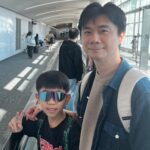
Performers
Axel Tse and family
About the Music
Jay Chou’s Who Cares (誰稀罕) is a punchy pop song with a strong groove and an unmistakably bold attitude. In a drumset duet arrangement, the focus shifts from lyrics and harmony to rhythm, texture, and ensemble interplay. As the sections unfold, changes in dynamics and rhythmic density can mirror the song’s build from verse to chorus. Listen for how the two drumsets “lock in” on key accents, then branch out into call-and-response gestures that keep the energy constantly evolving.
Instrumentation
Drumset
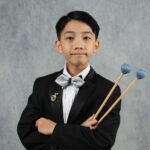
Performer
Evan Wong
About the Music
The second movement, Fox Trot, from Warren Benson’s work is a characterful snare drum solo inspired by the Vaudeville-era ballroom dance associated with Harry Fox. Written for snare drum with brushes, it alternates light, flowing textures with crisp accents to evoke the buoyant motion of dance steps. Although notated in straight time, many performers choose to swing the piece, bringing out its idiomatic fox-trot character and giving the phrasing a relaxed lift. Throughout, Benson varies repeated rhythmic ideas through changes of dynamics, articulation, and texture, building momentum toward a confident, playful close.
Instrumentation
Snare Drum
Performer
Hayden Leung
About the Music
Joe Hisaishi’s Castle in the Sky (天空之城), best known from the Studio Ghibli film of the same name, is a lyrical melody shaped by clarity, warmth, and quiet nostalgia. In this marimba version, the melody is stated simply at first, with spacious note values that allow the instrument’s warm resonance to carry the phrase. The music then expands through repetition and small variations—rising gestures, gentle stepwise motion, and occasional leaps—creating a gradual sense of lift. A contrasting middle passage explores slightly richer harmonic color before the main material returns, leading to a concise closing.
Instrumentation
Marimba
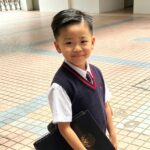
Performer
Alston Ngai
About the Music
Dani Howard’s REVS is a contemporary solo for timpani that turns the instrument into a vivid rhythmic and coloristic voice. it explores contrasts of register and resonance, moving between driving, motor-like patterns and more spacious, ringing gestures. Short motifs are repeated and gradually varied, creating a clear sense of momentum—like an engine revving higher—while changes of dynamics and articulation shape the overall contour.
Instrumentation
Timpani
Performer
Casper Yung
About the Music
Ross Edwards’ Marimba Dances is a vibrant solo work that draws energy from dance-like rhythm and the marimba’s naturally resonant, percussive warmth. Rather than presenting a single long melody, the piece is driven by repeating patterns that are gradually varied, creating a hypnotic sense of pulse and forward motion. Edwards layers accents and shifting figurations so that the listener hears both a steady underlying beat and constantly changing surface detail. Moments of contrast—lighter textures, changes of register, and dynamic swells—refresh the groove and shape the larger arc.
Instrumentation
Marimba

Performer
Clason Wang
About the Music
Galop is a brisk, dance-inspired solo that captures the forward drive of its title through continuous rhythmic motion. Marked Moderato (dotted quarter note =72= 72=72) in 6/8, it opens forte with a clear, repeated-pattern idea that immediately establishes a galloping pulse. The music then alternates between energetic passagework and lighter moments, including a softer piano section that keeps the momentum while changing the color and weight of the sound. Throughout, short rhythmic figures are repeated and subtly varied, creating a steady build of intensity and endurance.
Instrumentation
Timpani
Performers
Cypress Ng (Trumpet), Damian Kwan (Piano Accompaniment)
About the Music
Gabriel Fauré’s Pavane is based on a stately Renaissance court dance, and this trumpet arrangement preserves the work’s graceful, floating character. An opening one-bar introduction leads into a theme built from gentle stepwise motion, with subtle turns and repeated notes that create a poised, reflective mood. As the piece continues, the line gradually expands in range and intensity, moving from piano to mezzo-forte before settling back to a softer close.
Instrumentation
Trumpet, Piano Accompaniment
Performer
Marcus Fung
About the Music
The Descendants of the Dragon (龍的傳人) is a well-known Chinese song whose melody carries a strong sense of pride and collective identity. In an erhu arrangement, the instrument’s voice-like tone brings special immediacy to the tune, allowing expressive slides, ornamentation, and vibrato to shape each phrase. The opening typically presents the main theme clearly and directly, with a steady pulse that supports the song-like line. As the music unfolds, variations in register and dynamics add intensity, and decorative figures can highlight key climactic points.
Instrumentation
Erhu

Performer
Tung Ho Wang
About the Music
Twinkle, Twinkle, Little Star is one of the most recognizable children’s melodies in the world. The tune comes from a French song, “Ah! vous dirai-je, Maman,” first published in 1761, later used for many sets of words in different countries. In this rainbow bells setting, the simple, repeating phrases help performers practise counting, steady tempo, and clean, confident ringing. Because each note is brief and bright, careful coordination and even dynamics help the melody sound continuous and “sparkling” from start to finish.
Instrumentation
Rainbow bells

Performer
Asher Tam
About the Music
London Bridge Is Falling Down is a traditional English children’s song. The familiar melody is built from short and repeating phrases. Clear attacks, consistent tone, and (where appropriate) gentle damping help prevent overlapping resonance and keep the melody clean.
Instrumentation
Rainbow bells

Performers
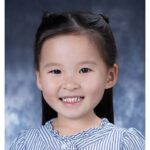
Lam Yat Wang and family
About the Music
Mary Had a Little Lamb is best known from the nineteenth-century American nursery rhyme. Its melody is famously stepwise and symmetrical, which is why it appears so often in early music study.
Instrumentation
Piano
Performer
Chloe Chow
About the Music
William Edwards’ Out of Line is a solo for snare drum that puts precision and character at the center of the performance. Built from clear rhythmic motives, the piece plays with “in” and “out” gestures—steady patterns that are interrupted by syncopations, accents, and unexpected shifts of placement. As the music unfolds, repeated ideas are developed through changes of dynamics, sticking, and articulation, creating variety while maintaining a strong sense of pulse.
Instrumentation
Snare Drum

Performer
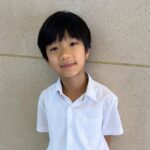
Jevon Leung
About the Music
Ian Wright’s Bouncing Beethoven is a lively solo for timpani that playfully nods to Beethoven’s bold rhythmic spirit while remaining firmly rooted in percussion technique. The piece is driven by a buoyant pulse and short, catchy motifs that “bounce” between drums, creating a clear sense of motion and conversation across different pitches. Repetition is used creatively: patterns return with changes of register, dynamics, and accent placement, building momentum and keeping the listener engaged.
Instrumentation
Timpani
Performer
Isaac Ng
About the Music
Rhythmic Accents is a brisk snare drum solo that focuses on clarity, control, and the expressive power of accent placement. The piece is driven by continuous semiquaver motion, with repeated patterns shaped by frequent dynamic shifts—from mezzo-forte and forte to sudden piano and even pianissimo. Throughout, accents and short bursts of intensity break the stream of notes into clear phrases, while crescendos lead the music toward stronger arrivals.
Instrumentation
Snare Drum
Performers
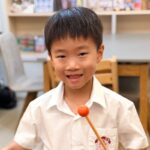
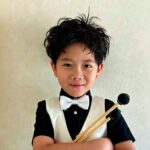
Hadrian Sin (Timpani), Damian Kwan ( Piano Accompaniment)
About the Music
Andrew J. Smith’s Celebration is a bright, energetic work for timpani and piano. From the start, the timpani part—tuned in G and C—drives the music with lively repeated figures and dance-like rhythms, while the piano provides harmonic support and helps propel the forward momentum. The piece is shaped by strong contrasts: confident forte passages give way to lighter textures and sudden softer dynamics, including pianissimo, before building again toward emphatic accents and a bold finish.
Instrumentation
Timpani, Piano Accompaniment
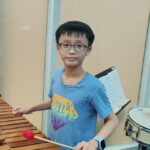
Performer
Ethan Kong
About the Music
Schubert’s Moment Musical No. 3, often nicknamed “Air Russe,” is a compact character piece driven by a bright, dance-like pulse and clear melodic shapes. In this marimba solo arrangement, the music’s quick figurations become a study in clarity and evenness, with the warm wooden resonance adding a fresh color to Schubert’s original keyboard writing. The opening presents a lively main idea built from repeating patterns and light accents, creating forward momentum and a buoyant, folk-like character. A contrasting middle section offers a more lyrical line and softer dynamic shading before the energetic material returns.
Instrumentation
Marimba
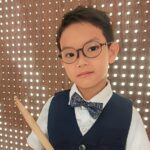
Performer
Yam Hei Lok
About the Music
Sicilienne is a snare drum solo that reimagines the gentle sway of a traditional siciliana dance through crisp articulation and carefully shaped accents. Marked at a moderate tempo, the piece is propelled by continuous semiquaver motion, frequently organized into triplet groupings that give the line a lilting, rolling feel. Dynamic contrasts are central to its character: bold forte statements alternate with sudden piano responses, creating a clear sense of phrasing and echo. As the solo progresses, the writing becomes denser and more insistent, with long crescendo passages and tightly packed accent patterns that build tension.
Instrumentation
Snare Drum
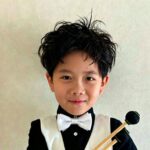
Performer
Damian Kwan
About the Music
Joey Eng’s The Narrows (2024) is a contemporary solo for marimba that explores a sense of focus and forward motion, as if moving through a tight passageway where every detail matters. The piece is shaped by repeating patterns that are gradually transformed through subtle shifts of register, harmony, and accent, creating tension without losing momentum. Changes of texture—single-line writing, fuller chords, and layered figures—give the music a clear sense of direction and contrast.
Instrumentation
Marimba
Performer
Cheng Nga Yu
About the Music
William Edwards’ After Dark is a solo for tuned percussion that creates an atmospheric sound world through color, resonance, and carefully paced momentum. The piece often unfolds in layered textures: bell-like tones and sustained harmonies are set against more rhythmically active figures, suggesting shifting shadows and nocturnal movement. Rather than relying on one long melody, Edwards shapes the music through recurring motifs that return in altered register, dynamics, and timbre, giving the listener familiar landmarks in an evolving landscape.
Instrumentation
Marimba
Performer
Cheng Nga Yu, Cheng Pak Yu, and family
About the Music
Akiyuki Tateyama’s music for Chiikawa captures the series’ distinctive blend of sweetness, energy, and quick-changing moods. The piece is often built in clear, song-like phrases, with repeated sections that return with small variations in texture and register
Instrumentation
Marimba, Piano, Rainbow bells

Performers
Lam Yat Chi and family
About the Music
Old MacDonald Had a Farm is a traditional children’s song that became widely popular in English-speaking classrooms in the early twentieth century, thanks to its easy call-and-response structure and endlessly repeatable verses.
Instrumentation
Piano

Performers
Adelym Hammond and family
About the Music
How Far I’ll Go (from Disney’s Moana) is a contemporary musical-theatre style song that combines a memorable, singable melody with a steady pop groove and a gradual emotional build. It was written by Lin-Manuel Miranda, with music by Opetaia Foa‘i and Mark Mancina, blending contemporary pop songwriting with a story rooted in the cultures of the Pacific.
Instrumentation
Drumset, Acoustic Guitar, Ukulele

Performers
Lau Chun Yin
About the Music
Spanish Accents is a characterful snare drum solo that uses accent patterns and rhythmic snap to evoke a stylized “Spanish” flavor. Marked “Extravagantly” in 6/8, it immediately establishes a dance-like lilt, with strong accented figures set against lighter responses. Frequent dynamic shifts—forte statements answered by sudden piano echoes—create a clear call-and-response feel, while grace-note-like decorations and tight articulations add bite and flair. As the piece unfolds, the writing expands through longer phrases and rising intensity, including softer pp moments that heighten the contrast before the energy returns.
Instrumentation
Snare Drum

Performer
Kwong Chun Yin
About the Music
WALK THE MOON’s “Shut Up and Dance” is a high-energy pop anthem built for the dance floor, and this drumset solo version brings its driving beat to the foreground. Marked at a brisk tempo, the arrangement lays out the song in clear sections—Intro, then repeated verse and chorus blocks—so the groove stays consistent while the energy steadily rises. The drummer’s role is to keep a tight backbeat and strong time feel, then add variety through changes of orchestration around the kit and well-placed fills at transitions.
Instrumentation
Drumset
Performer
Jayvis Leung
About the Music
Alex Neal’s Stamping Ground is a kinetic solo for snare drum that turns steady pulse into a display of precision and stamina. It opens forte with tightly organized semiquaver patterns and sharply placed accents, immediately establishing an assertive, grounded character. As the piece unfolds, the rhythmic figures are continually varied—through changing groupings (including irregular subdivisions), shifting accent shapes, and quick dynamic turns from f to mp, p, and even pp. Midway, a 5/8 section adds fresh tension, interrupting the regular flow before the music regains momentum.
Instrumentation
Snare Drum

Performer
Dax Chan
About the Music
John Beck’s Sonata for Timpani is a landmark in the solo timpani repertoire, and the second movement provides a strong contrast to the surrounding music by shifting the focus from sheer power to color, phrasing, and control of resonance. The writing treats the timpani as a melodic instrument: tuned pitches are shaped into clear musical lines, while carefully placed rhythms and dynamic changes create direction and tension. Episodes of more active figuration alternate with calmer, sustained moments, allowing the performer to highlight differences in touch, articulation, and damping. As the movement unfolds, repeated ideas return in varied forms, building a coherent arc before the close.
Instrumentation
Timpani
Performers
Li Ching Yau, Isaac Li
About the Music
Danny Elfman’s “Wonka’s Welcome Song” (from Charlie and the Chocolate Factory, 2005) brings the quirky, theatrical world of Willy Wonka to life with an instantly recognizable mix of charm and mischief. In this marimba and snare drum duet (arr. Michael Story), the marimba carries the jaunty, song-like melody while the snare drum supplies a crisp rhythmic backbone—often with a steady, parade-like pulse that suits the piece’s “welcome” character. The music unfolds in clear sections, alternating between lighter textures and more emphatic, full-sounding moments.
Instrumentation
Marimba, Snare Drum
Performer
Yam Tin Lok
About the Music
Study No. 8 is a virtuosic timpani solo that combines driving rhythmic energy with clear, pitch-based writing. It opens forte with a bright, forward-moving idea that quickly alternates between drums, treating the timpani as both rhythmic and melodic instruments. Throughout, short motifs return in varied forms—sometimes punctuated by rolls, sometimes reshaped through triplet figures and changing dynamic levels from p to ff. Later pages expand the scale with longer crescendos and extended passages of continuous motion, demanding stamina and consistent tone.
Instrumentation
Timpani
Performers
Casper Yung, Evan Wong, Damian Kwan
About the Music
Nathan Daughtrey’s Lightning Bugs is a vivid miniature for pitched percussion trio that paints a nighttime scene through shimmer, sparkle, and quick flashes of color. The trio setting allows the music to move like points of light: short motifs flicker from one player to another, often answered by echoing figures in a different register. Rather than a long, continuous melody, the piece builds its character from repeating gestures that are varied in spacing, dynamics, and timbre, creating the impression of motion and unpredictability. As textures thicken, the sound brightens and the energy gathers, before relaxing again into quieter, more delicate moments.
Instrumentation
Marimba, Glockenspiel