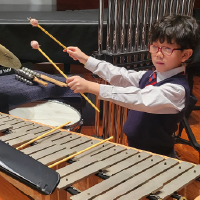
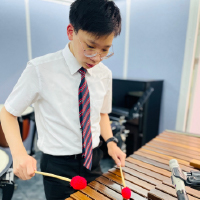
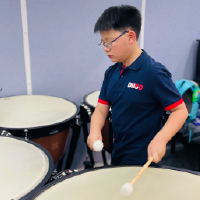
Performers
Damian KWAN, Ernie NG, Jerry NG
About the Music
The title "Parts Unknown" is borrowed from the food & travel show of the same name hosted by the inimitable chef Anthony Bourdain. After a brief, slow introduction, the piece builds to twice the tempo, requiring each player to quickly alternate between their keyboard and battery instruments.
Instrumentation
Bells/Concert Toms, Vibraphone/Suspended Cymbal, Marimba/Multi-bass Drum
Performers
Damian KWAN, Ernie NG, Jerry NG
About the Music
The “Vanishing Act” in question is the constantly shifting time signatures, as they repeatedly decrease in value from 4/4 to 3/4 to 2/4. This trio is meant to give each player the opportunity to play in a rubato style.
Instrumentation
Vibraphone/Mark Tree, Marimba/Tam-Tam, 3 Timpani/Suspended Cymbal
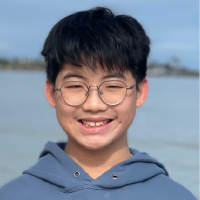
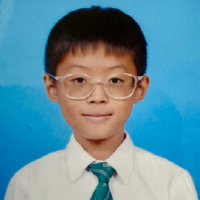
Performer
Micah LAU
About the Music
Marimba Dance 1 is the first movement of a piece by Australian composer Ross Edwards for marimba, which is characterized by its virtuosic and light-hearted nature, contrasting two radiant dances with an introspective interlude. The piece aims to reintroduce joy and exuberance into "serious" music, drawing inspiration from a Madagascan folksong reconstruction and influenced by the composer's own Piano Concerto written in the same year.
Instrumentation
Marimba
Performer
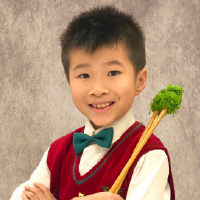
Aaron LAM
About the Music
The Allegro first movement of Mozart's Piano Sonata in F, K. 332, is a lively and joyful piece in sonata-allegro form, beginning with a spirited F major theme. It features a contrasting, lyrical second theme in the dominant key of C major. The development section explores these themes through modulations and fragmentation, creating tension before the recapitulation brings both themes back in F major. The movement concludes with a reinforcing coda.
Instrumentation
Piano
Performer
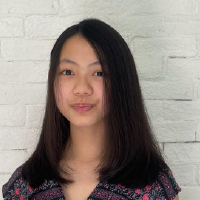
Casper YUNG
About the Music
The piece "Sweet Quick Sixteen", as part of the "Funny Xylophone Book 1" by Nebojša Jovan Živković, which contains playful, rhythmically interesting works for percussion, particularly xylophone. Živković is known for compositions with intricate rhythms, powerful expression, and virtuosic demands for percussionists.
He is a well-known percussionist and composer, recognized for his strong, intense percussion music featuring impressive technical challenges and rhythmic creativity. His works, including "Sweet Quick Sixteen," typically showcase his unique style combining technical skill with musical nuance.
Instrumentation
Xylophone
Performer
Sophie Eimi HANASHIRO
About the Music
"Mouvement de valse" (Waltz Movement), Op. 50 No. 15 by Louise Farrenc is a piano étude that is part of her "25 Études faciles," Op. 50. It is a charming and elegant piece characteristic of a Romantic-era waltz with a lyrical and flowing melody accompanied by a graceful rhythmic pattern typical of the dance style.
Louise Farrenc (1804–1875), a notable 19th-century French composer and pianist, is known for her contributions to piano music combining classical form with Romantic expressiveness. "Mouvement de valse" reflects her elegant musical style, balancing technical study with musical charm and stylistic grace typical of salon music of her time. It serves both as an étude and a delightful miniature character piece.
Instrumentation
Piano

Performer
YEUNG Tsang Hei
About the Music
“Blue” is a love‑song released on 26 April 2024 that quickly went viral on TikTok. In an interview, Yung Kai explained that the track emerged from a moment of strong personal emotion: he was watching a Chinese drama (“C‑drama”) starring a girl he liked, and the music from the drama further moved him. All of that feeling “built up inside” him, and he channeled it straight into the song rather than forcing a composition. He describes his usual creative approach as “hard” and unforced—if he simply sat down at FL Studio without that emotional spark, the result would be unsatisfactory. For “Blue,” the combination of the drama’s narrative, the affection he felt, and the surrounding soundtrack gave him the necessary inspiration to write and produce the piece.
Instrumentation
Acoustic Guitar
Performers
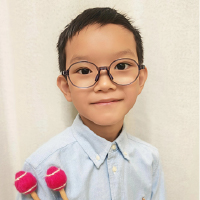
YAM Hei Lok, YAM Tin Lok
About the Music
“Spicy Sauce” delivers a burst of rhythmic energy, drawing inspiration from Latin music flavors and playful culinary imagery. Designed for Grade 3 percussionists, the duet showcases dialogue between melodic and rhythmic elements, echoing the spirited interplay found in a bustling kitchen or lively salsa bar. The xylophone serves up crisp, syncopated tunes while the untuned percussion adds a tangy punch, much like spices added to a recipe.
The composition cleverly balances call-and-response motifs and percussive accents, engaging the performers and audience in a shared sense of fun and celebration. “Spicy Sauce” is perfect for building ensemble skills, offering students a chance to explore dynamics, tempo changes, and coordination between contrasting instrumental timbres.
Instrumentation
Xylophone, Cowbell, Timbales
Performers
LI Ching Yau, Isaac LI, Alston NGAI, Noel NO, Brenden TAM
About the Music
Originally a Christian hymn from the late 1800s or early 1900s, “When the Saints Go Marching In” quickly crossed into popular and jazz repertoires, becoming a symbol of celebration and community spirit. Its catchy, uplifting melody invites audiences to sing or clap along, with lyrics expressing hope for inclusion among “the saints” – believed to represent the faithful entering heaven or participating in spiritual celebration.
Instrumentation
Vibraphone, Marimba, Snare Drum
Performers
LI Ching Yau, Isaac LI, Alston NGAI, Brenden TAM
About the Music
“Tremors” is a percussion ensemble work that evokes seismic energy and movement, using rhythm and texture to suggest the physical phenomena of vibrations and quakes.
Inspired by the unpredictable power and rhythmic impulses of earthquakes, “Tremors” unfolds as a dynamic soundscape exploring various layers of percussive resonance and interplay between instruments. The score often features interlocking rhythmic patterns, driving pulses, and dramatic crescendi, capturing both the subtle shivers and dramatic rumblings characteristic of tectonic shifts.
The ensemble utilizes a wide spectrum of percussion voices—ranging from metallic shimmer to deep drum resonance—to evoke shifting ground and rolling waves of energy. With moments of suspense, sudden bursts, and gradual buildups, “Tremors” is a vivid celebration of the elemental force and textural variety unique to percussion music. Audiences can expect an immersive journey echoing the raw physicality and unpredictability of nature’s tremors.
Instrumentation
Snare Drum
Performers
Damian KWAN, Kenny KWAN, Isaac LI
About the Music
“Chiikawa” (percussion ensemble) is a contemporary work inspired by the wildly popular Japanese character series “Chiikawa”, celebrated for its uniquely adorable charm and playful spirit.
This percussion ensemble piece captures the whimsical essence and infectious energy of “Chiikawa” through bright timbres, light textures, and rhythmic interplay reminiscent of animated adventures. Utilizing a colorful palette of mallet and unpitched percussion, the music evokes the joyful antics and subtle emotional highs and lows found in the world of “Chiikawa”, allowing both performers and audience to imagine animated scenes as sound. Designed to engage ensemble members in lively teamwork, the score balances catchy motifs with gentle melodic fragments, painting a fun and imaginative sonic picture.
Instrumentation
Vibraphone, Marimba, Drumset
Performers
Claire MAK, Flora YUNG
About the Music
Composed in 1785, Mozart’s Piano Concerto No. 20 is one of his most expressive and emotionally varied works. The second movement, “Romanza,” stands out for its serene and songlike character, written as a rondo (ABACA) in B-flat major. In this arrangement for clarinet duet, the melodic beauty and lyrical phrasing of Mozart’s original writing are highlighted through a warm, blended timbre, emphasizing the dialogue between the two instruments.
Instrumentation
Clarinet
Performer
Micha HUMMER
About the Music
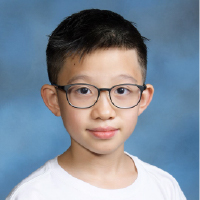
“Eighteenth Century Dance” by J.S. Bach refers to the vibrant dance movements found in Bach’s instrumental suites, which capture the spirit and style of Baroque-era dance forms.
Bach’s dance movements—such as the minuet, gavotte, bourrée, and gigue—showcase musical elegance, energy, and rhythmic clarity that were central to 18th-century social dances. Although originally based on the rhythms and structures of courtly dance, Bach’s treatment brings a sophistication and inventiveness that elevates these forms into concert repertoire, blending catchy melodies with complex counterpoint and expressive harmonies.
Instrumentation
Piano
Performer
Caden SAI
About the Music
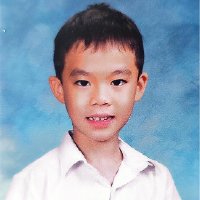
Written in 2000, “Yellow” was inspired by a starry night outside a recording studio in Wales, prompting frontman Chris Martin to compose a melody and lyrics that evoke awe at the beauty of the universe and deep devotion to another person. The song’s title, “Yellow,” was chosen partly for its mellow, soft sound and happenstance—Martin later explained it had no symbolic meaning and was borrowed from the Yellow Pages directory, yet its warmth perfectly suited the ballad’s romantic tone.
Instrumentation
Electric Guitar
Performer
Jayvis LEUNG
About the Music
“Out of Line” explores the expressive and technical capability of the snare drum through energetic rhythms, syncopations, and creative use of rudimental patterns. Utilizing changes in dynamics and accented phrasing, the piece challenges performers to bring clarity to both subtle ghost notes and bold strokes, creating engaging contrast and musical interest.
The solo often breaks away from strict repetitive marching patterns (“out of line”), instead featuring inventive rhythmic motifs, clever cross-sticking, and dynamic variety that highlight the snare drum’s versatility. Suitable for developing percussionists, “Out of Line” serves as a spirited introduction to solo snare performance, encouraging attention to detail, precision, and expressive interpretation.
Instrumentation
Snare Drum
Performers
Damian KWAN, Kenny KWAN, Ekmanson POON, Flora YUNG
About the Music
Composed in 1916, Holst’s original “Jupiter, the Bringer of Jollity” brims with vitality, delight, and sweeping optimism. It opens with sparkling rhythmic motifs, lively dance tunes, and fanfares, evoking the planet’s astrological association with joy and prosperity. The movement is renowned for its central hymn-like melody, later adapted to “I Vow to Thee, My Country,” whose nobility offers emotional contrast amid the festive outer sections.
In a recorder quartet arrangement, the energetic character and broad melodies are beautifully distilled into pure timbre, with each part contributing to the rich harmonies and intricate interplay.
Instrumentation
Recorder
Performer
Axel TSE
About the Music
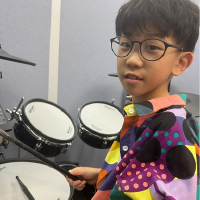
The drum part, originally played by Steven Adler, is fundamental to the song’s infectious groove and dynamic character. The introduction lays down a solid backbeat in 4/4 time, underpinning the iconic guitar riff. Throughout the verses and choruses, the drumset delivers steady eighth-note hi-hat patterns, emphatic snare hits, and creative fills that propel the music forward and mark transitions within the song.
Key features include punchy accents, driving bass drum patterns, and energetic fills during the guitar solo and breakdown sections, showcasing the drummer’s stylistic flair and technical control. The drum part balances power with subtlety, adding momentum without overpowering the melodic elements—a testament to effective rock ensemble playing.
“Sweet Child O’ Mine” on drumset is a showcase of classic rock drumming, blending control, groove, and expressive fills to create a memorable and high-energy performance piece.
Instrumentation
Drumset
Performer
Karson TONG
About the Music
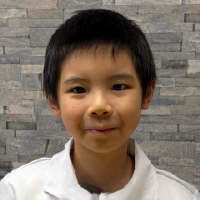
“Mind the Gap” playfully explores the concept of space and silence within rhythmic patterns, encouraging the performer to navigate both accented passages and carefully placed rests. Its motifs echo the familiar phrase heard on London’s underground, using “gaps” within the music to create anticipation and contrast. The snare drum is used to demonstrate clean stick control, dynamic variation, and crisp articulation, making the solo both accessible and engaging for beginner percussionists.
By switching between steady grooves and measured silences, the piece teaches students how to use space musically and maintain rhythmic clarity even when the texture thins out. “Mind the Gap” is ideal for introducing foundational snare technique and musical timing, providing a fun and memorable performance moment in early percussion study.
Instrumentation
Snare Drum
Performer
Evan WONG
About the Music
This evocative piece conjures the atmosphere of nighttime, using shimmering textures, playful rhythms, and expressive phrasing on tuned percussion. The melodic lines suggest mysterious movement and fleeting shadows, creating a musical narrative that combines moments of suspense with bursts of energy. The composer skillfully employs dynamic contrast, lively syncopation, and clear articulation to paint a vivid portrait of the world “after dark.
Instrumentation
Marimba
Performer
CHAN Chun Hong
About the Music
This piece captures the playful syncopation, strutting rhythms, and infectious energy characteristic of ragtime music. The xylophone takes center stage with brisk melodies and accented rhythms designed to evoke the sound of old-time American dance halls and parlors. The piano accompaniment adds harmonic framework and a gentle swing, supporting the bright, articulate voice of the xylophone.
Instrumentation
Xylophone
Performer
Hazel TAM
About the Music
Originally composed in 1823 and later collected as part of Schubert’s “Moments Musicaux,” this piece is sometimes called “Air Russe” due to its use of a Russian folk melody. It features a simple ternary form with a gently melancholic main theme, playful dance-like passages, and varied repetition that highlight Schubert’s gift for expressive lyricism within concise structure. Reimagined for xylophone, the work’s clear melodic contour and lively rhythms take on a fresh brightness, showcasing the instrument’s singing quality and crisp articulation.
Instrumentation
Xylophone
Performer
Dax CHAN
About the Music
“Black and White Rag” by George Botsford, arranged for marimba, is a sparkling ragtime classic from 1908 often performed as a showcase for keyboard percussionists.
The piece is recognized for its upbeat syncopated rhythms, playful melody, and bright character that typify the ragtime era. The marimba brings a warm, resonant voice to the music, enhancing its dancing bass lines and light-hearted tune with rich harmonic color and lyrical phrasing. Originally made famous by pianist Winifred Atwell and adapted for various instruments, “Black and White Rag” remains an audience favorite through its toe-tapping vitality and cheerful spirit.
Instrumentation
Xylophone
Performer
Damian KWAN
About the Music
“Ghost Garden” is a solo marimba work by Adam Hopper, inspired by the bittersweet beauty of vacant, abandoned urban lots that blossom with new life when left undisturbed.
Written for a 4.3-octave marimba and four mallets, “Ghost Garden” paints a musical panorama of places once filled with activity that now stand empty, quietly reclaimed by nature. The piece unfolds through evocative themes that suggest faded memories and quiet transformation: vibrant passages recall the lot’s former life, while gentle melodies and shifting harmonies represent change and renewal. Transitional motifs weave in and out, reinforcing the sense of reflection and rebirth.
Instrumentation
Marimba
Performers
Dax CHAN, Damain KWAN, Micah LAU, Ernie NG, Jerry NG, Casper YUNG
About the Music
“Aeolian Quintet” is a percussion quintet by Shinichi Kaneda, written in Aeolian mode (natural minor) and celebrated for its melodious style and rich educational value.
Originally adapted from Kaneda’s popular Aeolian Trio and Quartet, this quintet features three-part form: fast-slow-fast. The opening and closing sections are characterized by a lively march, showcasing rhythmic interplay, crisp articulation, and ensemble coordination. In the contrasting middle section, the marimba introduces a beautiful, lyrical melody, providing expressive depth and warmth.
Kaneda’s scoring for xylophone, marimba, glockenspiel, vibraphone, timpani, snare drum, tom-toms, tambourine, suspended cymbal, bass drum, and triangle ensures a broad palette of timbres. The piece highlights the effective use of ordinary percussion instruments to create singable lines, energetic color, and dynamic variety. Its accessibility and engaging structure make it ideal for developing ensembles, offering both musical growth and audience enjoyment.
Instrumentation
Xylophone, Glockenspiel, Marimba, Vibraphone, Timpani, Snare Drum, Medium Tom, Medium Low Tom, Sus. Cymbal, Tambourine, Bass Drum, Triangle
Performers
Kenny KWAN, Raymond LEUNG, Ekmanson POON, Faye SUNG, Fish YU, Flora YUNG
About the Music
As a special highlight of our 10th Anniversary Concert, our talented tutors from various instrumental backgrounds unite on stage to present a unique medley. This performance is not only a musical showcase but also a heartfelt tribute—revisiting the diverse repertoire featured throughout today's concert. From classical masterpieces to modern favorites, the medley weaves together the musical journey our students have shared, offering audiences a delightful recap of the evening’s memorable moments.
For a truly meaningful finale, our tutors will perform “喜氣洋洋” (Happiness All Around), originally sung by Paula Tsui, a song that holds a special place in our hearts. This was the very first piece performed by our inaugural tutor ensemble during our first anniversary celebration. Today, it returns as an uplifting conclusion, symbolizing our enduring spirit and the joy of making music together.
Let’s celebrate the past, cherish the present, and look forward to even more musical memories!
Instrumentation
Piano, Acoustic Guitar, Electric Guitar, Clarinet, Xylophone, Glockenspiel, Marimba, Bass Guitar, Drumset